The Couch to 5K: Everything You Need to Know Before You Start
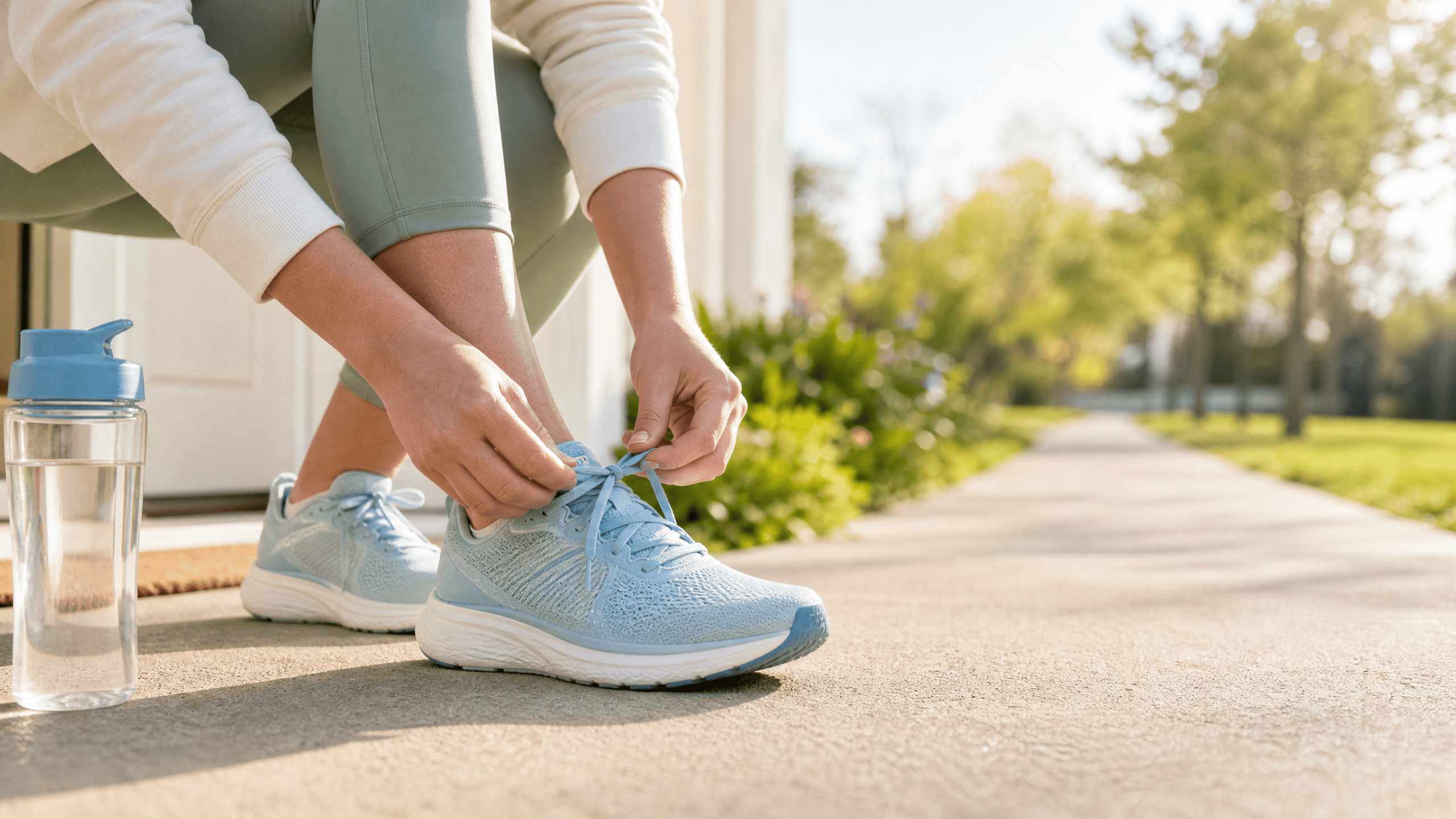
A 5K sounds simple when runners talk about it. It is “only” 3.1 miles. It is short compared with a 10K, half marathon, or marathon. It is often described as beginner-friendly.
But if you are starting from little or no running, 5K is not small. It is a real goal. It asks your heart, lungs, muscles, tendons, joints, and mind to adapt. That is exactly why it can be so rewarding.
Couch to 5K is popular because it gives beginners a bridge. Instead of asking you to run continuously from day one, it usually uses short run-walk intervals that gradually increase over several weeks. You start with manageable efforts. You recover. You repeat. Over time, running becomes less intimidating.Couch to 5K is not about proving you are tough. It is about giving your body enough time to become ready.
Before you begin, it helps to understand what the plan is, what it is not, and how to make it work for your body.
What is Couch to 5K?
Couch to 5K is a beginner running approach designed to help someone progress from being mostly inactive, or not running regularly, toward completing a 5K distance.
A 5K is 5 kilometres, or about 3.1 miles. Many beginner plans last around 8 to 10 weeks, although there is nothing wrong with taking longer. In fact, taking longer is often the smarter choice if you are returning after a long break, managing stress, carrying fatigue, or trying to build a routine that lasts.
Most programmes use the same basic ingredients: walking, short running intervals, rest days, gradual progression, and repetition. Most beginner 5K guidance uses a mix of running, walking, and resting, noting that this combination can help lower the risk of injury, stress, and fatigue while making activity more enjoyable. That is the heart of Couch to 5K: run a little, walk a little, recover, then repeat.
Who is it for?
Couch to 5K can be a good fit if you can walk comfortably for 20 to 30 minutes, want a structured beginner goal, and are willing to start slowly. It usually works best when you can train around three days per week, with rest or gentle movement between sessions.
It is worth taking extra care if you have chest pain, dizziness, unexplained breathlessness, a recent injury, ongoing joint pain, or a medical condition affected by exercise. If you have concerns about your heart, breathing, joints, pregnancy, diabetes, blood pressure, surgery recovery, or a significant health condition, speak with a healthcare professional before starting.
A good programme should challenge you, but it should not make you feel unsafe.
The biggest beginner mistake: doing too much too soon
Running feels simple because it does not require much equipment. But physically, it is a high-impact activity. Every step asks your body to absorb and produce force. Your cardiovascular system may improve faster than your tendons, bones, calves, feet, hips, and knees can adapt.
This is why the early weeks matter. You may feel like you could run more. That does not always mean you should. Progress is not just fitness. Progress is also staying healthy enough to continue.

What should the first few weeks feel like?
The first weeks should feel almost too easy at times. That is not a problem. It is good programming.
Your aim is to finish sessions thinking, “I could have done a little more,” rather than, “I barely survived.” During walking breaks, your breathing should settle. During running intervals, you may feel awkward or uncoordinated at first, but you should not feel like you are sprinting for survival.
Mild muscle soreness can be normal, especially in the calves, hips, or feet. Sharp pain is different. Pain that changes how you run, gets worse as you continue, or returns every session is a sign to pause and reassess. A useful rule is the conversation test. During easy running intervals, you should be able to speak in short sentences. If you are gasping, slow down. For beginners, running slower is often the fastest way to improve.
A simple beginner structure
You do not need to copy one exact plan. The safest plan is the one you can repeat consistently without injury. A typical beginner week might look like this.
Day | Session |
Monday | Run-walk session |
Tuesday | Rest or gentle walk |
Wednesday | Run-walk session |
Thursday | Mobility, light strength, or rest |
Friday | Rest |
Saturday | Run-walk session |
Sunday | Easy walk or recovery |
In the beginning, your run intervals may be very short: 15 to 60 seconds of jogging followed by walking. Over time, the running portions increase and the walking portions reduce.
What pace should you run?
Slower than you think. Most beginners run their easy intervals too fast. They turn every run into a test. That makes the programme feel harder than it needs to be and can increase soreness, fatigue, and frustration. Your early running pace should feel like a gentle jog, not a sprint. If walking breaks feel desperate, slow the running down. You are training your body to tolerate running, not racing every interval. The goal is not to impress your watch. The goal is to become someone who runs.
Shoes, clothing, and simple gear
You do not need expensive equipment to start. You do need comfort.Start with running shoes that feel supportive and suit your foot shape. Wear socks that do not rub, clothes that let you move, and a supportive sports bra if you need one. A watch or phone timer can make intervals easier, but it is not essential. If you are unsure about shoes, a reputable running shop can help, but do not get stuck waiting for perfect gear. Safe, comfortable basics are enough to begin.
Warm-up, cool-down, and strength work
Beginners often skip warm-ups because the session already feels short. Try not to. A warm-up does not need to be fancy. Walk briskly for five minutes. Add gentle ankle circles, leg swings, or marching if you like. The goal is simply to tell your body, “We are moving now.”After the session, walk for a few minutes to bring your breathing down. If stretching feels good, keep it gentle. Do not aggressively stretch sore muscles.
A little strength training can also help more than beginners expect. Running is repetitive, and the body benefits from being prepared for that repetition. Twice a week, keep it simple: squats or sit-to-stands, glute bridges, calf raises, step-ups, and side planks are all useful options. The point is not to exhaust yourself in the gym. Strength work should support running, not leave you too sore to train.
What if you miss a week?
You are not behind. You are living a normal life.
If you miss a few days, continue where you left off. If you miss a full week or more, repeat the previous week. If you were ill, injured, or very fatigued, restart more gently. Couch to 5K is not a school exam. Repeating weeks is not failure. It is intelligent training.
Warning signs to respect
Some discomfort is normal. Pain is information. Pause and reassess if you notice sharp or worsening pain, swelling, bruising, pain that changes your gait, or pain that returns every time you run. Chest pain, faintness, or severe breathlessness should be treated seriously and may require urgent medical attention.
The sooner you respond to early warning signs, the less likely they are to become long breaks.
Race day or goal day: what to expect
Your first 5K does not need to be fast. It does not even need to be an official race. You can complete 5K in a park, on a treadmill, with a friend, or as a local event. Before the day, keep things familiar. Do not try new shoes or new food. Rest the day before. Start slower than you want to. Use walk breaks if you need them. Walking still counts.
A 5K is not only about distance. It is proof that you can build capacity through small repeated actions.
The real benefit of Couch to 5K
The obvious benefit is that you may be able to run 5K. The deeper benefit is identity. You learn that fitness does not have to begin with punishment. You learn how to listen to your body. You learn that progress can be gradual and still meaningful. You learn that a hard thing becomes less hard when you break it into pieces. That lesson carries beyond running.
Want to go deeper?
If this helped you think about movement in a more sustainable way, Sanva is being built to support the full picture: movement, recovery, breathing, meditation, coaching, multi-day challenges, full courses, and community.
At sanva.app, you will find tools and guidance to help you build routines that feel realistic, not punishing. Couch to 5K can be one starting point. Sanva can help you keep building from there.